E-mail:
tina@yuzechemical.com
Contact: Tina Pan
Email: tina@yuzechemical.com
Wechat: +8618660611992
Whatsapp: +8618660611992
Address: Xinxing Village, Dajiawa Street, Binhai Economic Development Zone,Weifang City ,Shandong Province,China.
Website: www.wfyuzehg.com
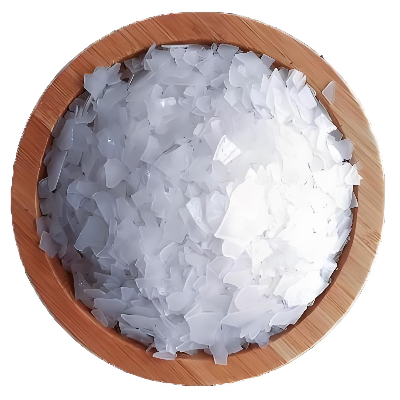
Many buyers have encountered common problems when purchasing industrial-grade magnesium chloride: confusing food-grade with industrial-grade products, excessive impurities inconsistent with samples, unstable quality across batches, large deviations in COA data, and caking during use even under proper storage conditions. These are frequent pitfalls in the magnesium chloride industry. Here are professional tips from Yuze Magnesium Chloride Factory, a manufacturer specializing in anhydrous magnesium chloride and magnesium chloride hexahydrate, to help you make the right choice:
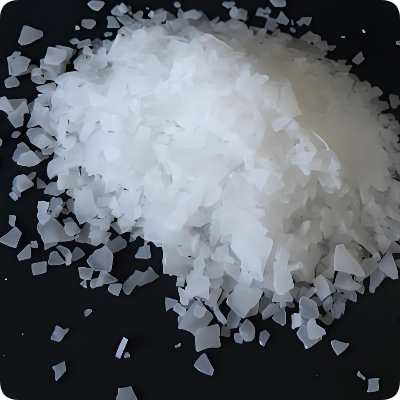
· Appearance: White or pale yellow flakes, granules and lumps
· Purity grades: 47%, 46%, 45%, 44%, 43%
· Production processes & raw materials: Acid process (chemical synthesis), brine, lake salt, etc.
· Price: Moderate, ideal for general chemical applications
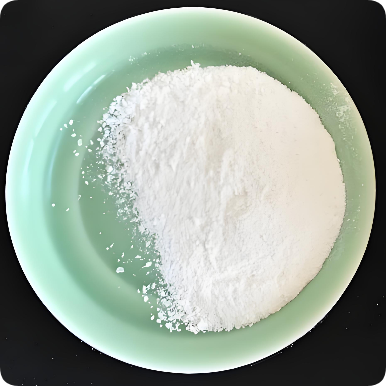
· Appearance: Mainly white powder
· Purity grades: 97%, 98%, 99%, 99.5% with extremely low impurities
· Price: Higher than magnesium chloride hexahydrate
Though both are called magnesium chloride, they differ greatly in purity, dissolution rate, moisture absorption and final application performance, apart from price gaps.
Classified into food grade and industrial grade.
Food-grade magnesium chloride serves as a food additive, famously used for making brine tofu in China.
Industrial-grade magnesium chloride is applied in building materials, petroleum, de-icing, board production, agricultural fertilizers, livestock breeding and other fields.
Never use industrial-grade magnesium chloride for food purposes.
Magnesium chloride hexahydrate is mostly supplied in flakes (more cost-effective than powder of the same quality). Anhydrous magnesium chloride is commonly available in powder form. Choose different forms if you have special demands for dissolution efficiency.
· Purity: Higher magnesium chloride content means better performance, which is the core indicator.
· Sulfate content: A major impurity; premium products have sulfate content below 0.5%.
· Iron content: Excess iron causes discoloration. Lower iron content ensures a whiter appearance, with strict limits for food-grade products.
· Heavy metals: Lead, arsenic and other heavy metals must be controlled at the ppm level for food and pharmaceutical grades, a critical safety standard.
· Moisture content: Anhydrous products require moisture content ≤1% to avoid moisture absorption and caking. Abnormal moisture in magnesium chloride hexahydrate indicates impure quality.
· Other criteria: Clarity of aqueous solution, water-insoluble matter, anti-caking performance, etc.
Compare prices only after the above requirements are met. Generally speaking, product quality is positively correlated with price.
· Food-grade products: Production license + third-party inspection report
· Aquaculture & feed-grade products: Special inspection reports for feed and aquaculture use
· Industrial-grade products: Factory inspection report + third-party test report
If you have any questions about anhydrous magnesium chloride and magnesium chloride hexahydrate, feel free to contact us. We will reply to you promptly and keep updating relevant industry content.
Previous: China hexahydrate magnesium chloride and anhydrous magnesium chloride
Next: Functions of Anhydrous & Hexahydrate Magnesium Chloride Across Industries