E-mail:
tina@yuzechemical.com
Contact: Tina Pan
Email: tina@yuzechemical.com
Wechat: +8618660611992
Whatsapp: +8618660611992
Address: Xinxing Village, Dajiawa Street, Binhai Economic Development Zone,Weifang City ,Shandong Province,China.
Website: www.wfyuzehg.com
Introduction to Calcium Magnesium Acetate for Road Snow Melting
Calcium Magnesium Acetate (CMA) is a chemical substance with the molecular formula C₈H₁₂CaMgO₈ and a molecular weight of approximately 300.56. It is mainly used as an environmentally friendly snow melting agent to replace traditional chloride salt products.
Chemical Properties
1. Basic Chemical InformationThe CAS number of Calcium Magnesium Acetate is 76123-46-1, its molecular formula is C₈H₁₂CaMgO₈, and its molecular weight is about 300.56.
2. Physical PropertiesAccording to some data, its boiling point is about 117.1°C (under 760 mmHg), and its flash point is about 40°C.
Main Uses and Application Fields
The main application of Calcium Magnesium Acetate is as an environmentally friendly road snow melting agent, widely used for snow and ice removal on roads, airports, bridges and other sites.Compared with traditional chloride snow melting agents, it has the following significant advantages:
1. Environmentally friendlyIts main component, calcium magnesium acetate salt, is regarded as the only safe alternative to chlorides. It causes little pollution to soil and water sources and meets environmental protection requirements.
2. Low corrosivityIts corrosivity to metals (especially steel bars) and cement concrete is much lower than that of salt (sodium chloride). It can also slow down the corrosion process even when used on corroded surfaces.
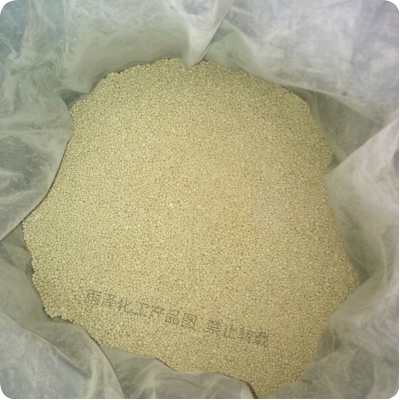
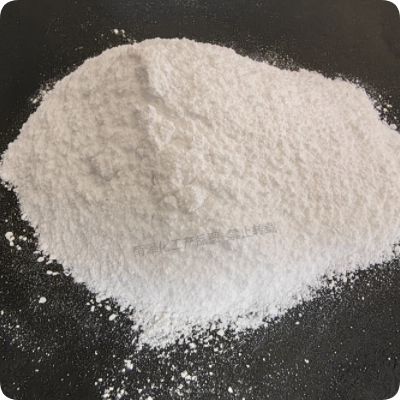
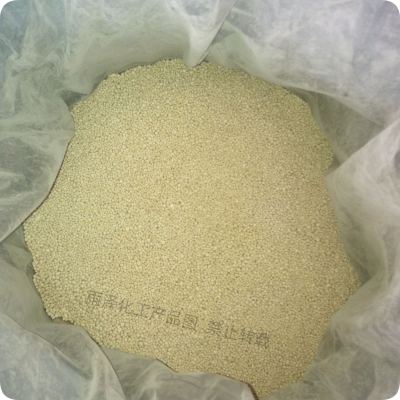
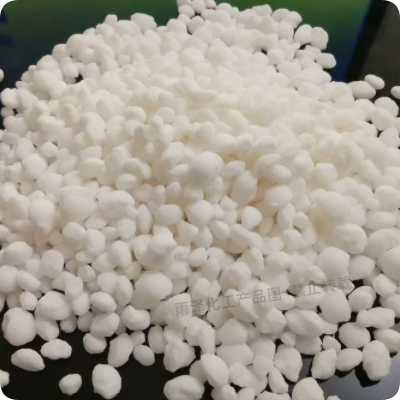
3. Good snow melting performanceThe product is usually white powder or granules, odorless. Through optimized compounding ratio, its snow melting speed, snow melting capacity and other properties are better than similar products on the market. It has high active content (usually not less than 95%) and good stability.
Index | Calcium Magnesium Acetate | Sodium Chloride | Calcium Chloride |
Snow melting temperature range | -15℃ ~ -35℃ | -9℃ | -29℃ |
Corrosion to concrete | Very low | High | High |
Corrosion to metal | Very low | Extremely high | High |
Impact on vegetation | Slight | Serious | Serious |
Biodegradability | Fully biodegradable | Non-biodegradable | Non-biodegradable |
Cost | Relatively high (about 10-15 times) | Very low | Low |
Preparation Method
The production process for snow melting agent is relatively simple:
1. Production processOne-time feeding and overall physical mixing are adopted. No waste gas, waste residue or waste liquid is discharged during the whole production process.
2. Product compoundingUsing calcium magnesium acetate salt as the main component, anti-skid agents, corrosion inhibitors and other auxiliary components are added for compounding to form the final solid snow melting agent product.