
E-mail:
tina@yuzechemical.com
Contact: Tina Pan
Email: tina@yuzechemical.com
Wechat: +8618660611992
Whatsapp: +8618660611992
Address: Xinxing Village, Dajiawa Street, Binhai Economic Development Zone,Weifang City ,Shandong Province,China.
Website: www.wfyuzehg.com
1. Prevent magnesium deficiencyCattle and sheep are prone to hypomagnesemic tetany (such as "grass tetany") caused by magnesium deficiency in feed or soil, characterized by muscle spasms, excitement, restlessness and even paralysis. Magnesium chloride can quickly replenish magnesium and maintain normal neuromuscular function.
2. Promote rumen healthMagnesium acts as an activator of enzymes in rumen microorganisms, improving feed digestibility and promoting the utilization of crude fiber in ruminants. This is especially critical for cattle and sheep fed high-concentrate diets.
3. Maintain neuromuscular transmission, skeletal development and enzyme activity Magnesium participates in more than 300 enzymatic reactions, supporting normal heart rhythm, immune function and energy metabolism. It is particularly important for high-yield dairy cows and pregnant females.

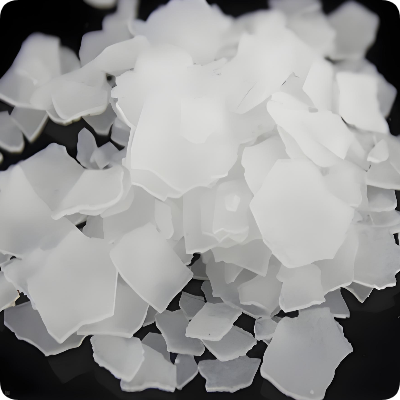
Magnesium chloride for cattle and sheep refers to 46% magnesium chloride (powder or flake) in the hexahydrate form, which is widely used in most pastures.When regularly sprayed on pastures, it slowly dissolves into the soil and is absorbed by forage grass. Grass treated this way shows stronger photosynthesis, as magnesium is absorbed by plants while some impurities are filtered out. Cattle and sheep then ingest magnesium indirectly by eating the grass. Later, combined with the licking of mineral salt licks, it ensures adequate and sustained magnesium supplementation for livestock.
Magnesium Source | Solubility | Application Scenarios | Precautions |
Magnesium Chloride | Highly soluble | Feed supplementation, forage treatment | Dosage control required to avoid over-supplementation |
Magnesium Sulfate | Highly soluble | Acute treatment | Slow intravenous injection to prevent respiratory depression |
Magnesium Oxide | Poorly soluble | Oral administration (reacts with gastric acid to form magnesium chloride) | Accurate dosing required; excess may cause constipation |
Magnesium Carbonate | Slightly soluble | Buffering gastric acid, mild magnesium supplementation | Low absorption rate, suitable for short-term use |
It is clear from the table that, compared with other magnesium sources, hexahydrate magnesium chloride is suitable for long-term stable supplementation, while the others are more commonly used in emergency situations. In addition, magnesium chloride for cattle and sheep is relatively more cost-effective.
Previous: Can anhydrous magnesium chloride really reach a content of 99.9%?
Next: Is Industrial Magnesium Chloride Flake Hydrated Magnesium Sulfate?