E-mail:
tina@yuzechemical.com
Contact: Tina Pan
Email: tina@yuzechemical.com
Wechat: +8618660611992
Whatsapp: +8618660611992
Address: Xinxing Village, Dajiawa Street, Binhai Economic Development Zone,Weifang City ,Shandong Province,China.
Website: www.wfyuzehg.com
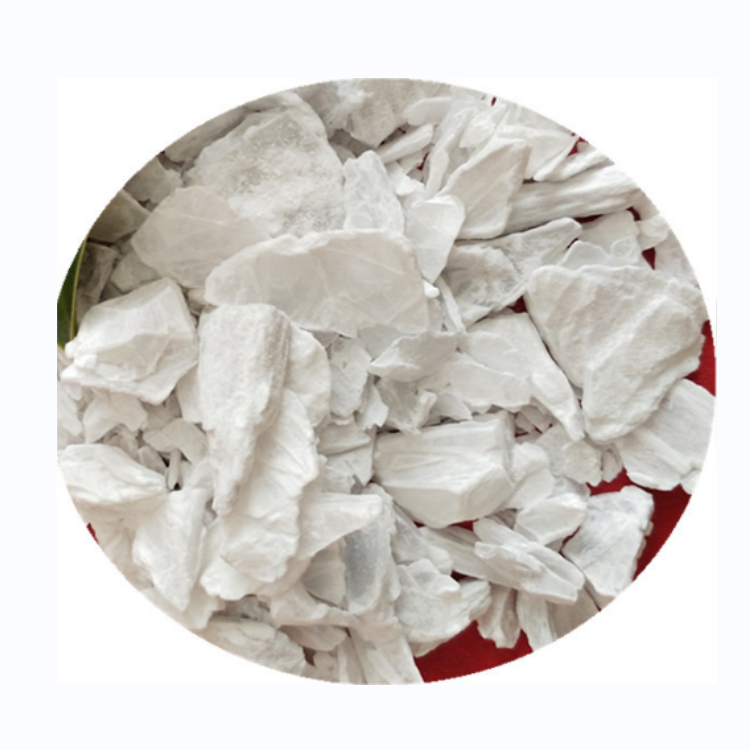
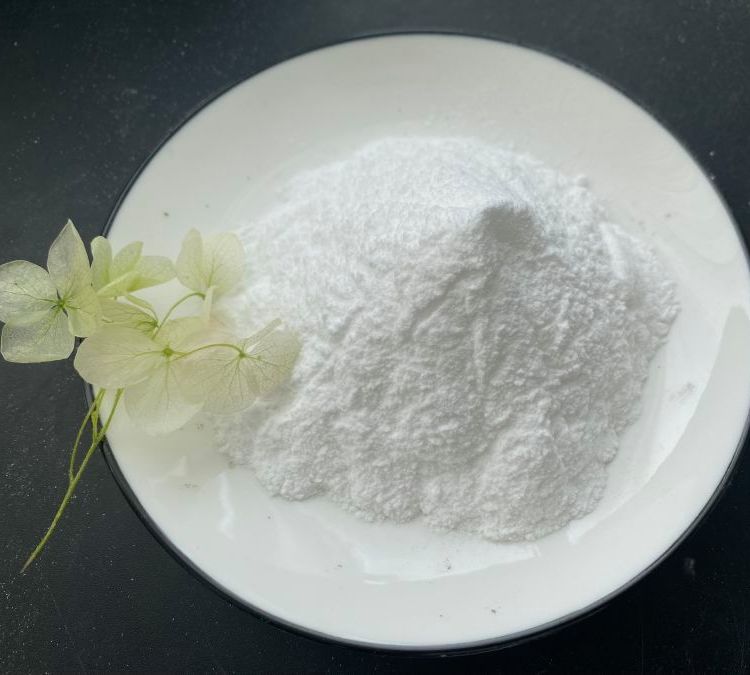
Do your customers also ask whether your industrial-grade anhydrous magnesium chloride can reach 99.9% purity? The answer is no. It is almost impossible for industrial-grade anhydrous magnesium chloride to hit 99.9%, and only reagent-grade products can achieve this standard. The maximum purity of regular industrial-grade products is 99.5%.
Here are the main reasons:
1. Inherent physical property:Anhydrous magnesium chloride features extremely strong moisture absorption, which can be seen from its application as a drying agent to absorb moisture in the air. Vacuum production cannot be realized in regular factory production, so the product is inevitably exposed to moisture in the air even during high-temperature processing.
2. Natural impurities in raw materials:Industrial production mainly adopts salt lake brine, seawater salt by-products and magnesite as raw materials, which contain many inherent associated impurities such as sodium chloride, potassium chloride, calcium chloride, sulfate, sediment and heavy metal ions. These substances share similar properties with magnesium chloride and are hard to be completely removed, setting a natural upper limit on purity.
3. Limitations of production processes:Mass industrial production mainly applies low-cost dehydration technologies including high-temperature boiling dehydration, spray dehydration and hot air drying of magnesium chloride hexahydrate.During dehydration, basic magnesium chloride and magnesium oxide are easily produced and cannot be eliminated thoroughly. Such processes can only remove moisture instead of completely getting rid of soluble salts and metal ions. Besides, manufacturers prioritize output and cost, and will not adopt high-precision but expensive purification methods.
4. Cost and market demand factors:To produce 99.9% ultra-high purity anhydrous magnesium chlorid, costly technologies such as vacuum rectification, deep dehydration with thionyl chloride and electrolytic refining are required, which will greatly raise production costs.For common industrial applications like building materials, de-icing, metallurgy, fire retardants, aquaculture and chemical additives, the purity range of 98% to 99.5% is fully sufficient. Most buyers have no demand for ultra-high purity products and are unwilling to pay extra costs.
2.Reasons why Yuze anhydrous magnesium chloride can stably reach 99.5% purity
We adopt the titanium by-product process. Our anhydrous magnesium chloride is a by-product from sponge titanium production via the Kroll method. The core reaction is the displacement reaction between titanium tetrachloride and metallic magnesium under high temperature and argon protection, producing titanium metal and anhydrous magnesium chloride. The finished product is obtained after solid-liquid separation.
This process easily delivers high purity for four key reasons:
1. High-purity raw materials:Titanium tetrachloride is refined from rutile, and metallic magnesium is high-purity distilled magnesium. Both feature extremely low and controllable impurities, free from abundant potassium, sodium, calcium and other impurities commonly found in brine raw materials.
2. Simple reaction process:It is a one-step displacement reaction with only titanium and magnesium chloride as products and no other by-products. Unlike the dehydration method, it avoids the critical defect of magnesium oxide formation caused by high-temperature hydrolysis.
3. Free from alkali metal salts inherently:No potassium, sodium or calcium are contained in raw materials, so the finished product barely contains potassium chloride, sodium chloride and calcium chloride. Such alkali metal salts are the main obstacle that restricts the purity of products made by other processes below 99%.
4. High-temperature inert atmosphere prevents hydrolysis completely:The whole reaction proceeds in an anhydrous and oxygen-free environment, fundamentally eliminating the risk of magnesium oxide generation when magnesium chloride contacts moisture at high temperature, thus ensuring high product purity.
Combined with all the above advantages, the theoretical purity of titanium by-product anhydrous magnesium chloride can exceed 99.9%, stably reaching over 99.5%. It contains no alkali metal salts and will not cause salt efflorescence. These superior performances are unmatched by products from other production processes.