E-mail:
tina@yuzechemical.com
Contact: Tina Pan
Email: tina@yuzechemical.com
Wechat: +8618660611992
Whatsapp: +8618660611992
Address: Xinxing Village, Dajiawa Street, Binhai Economic Development Zone,Weifang City ,Shandong Province,China.
Website: www.wfyuzehg.com
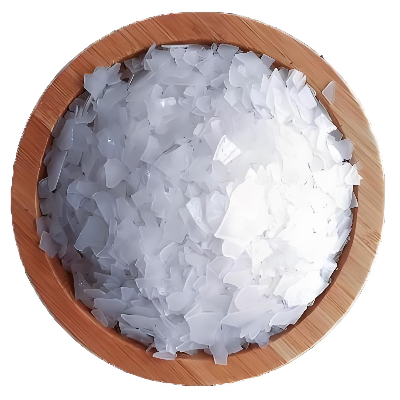
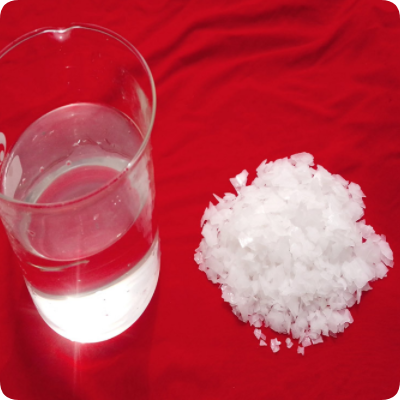
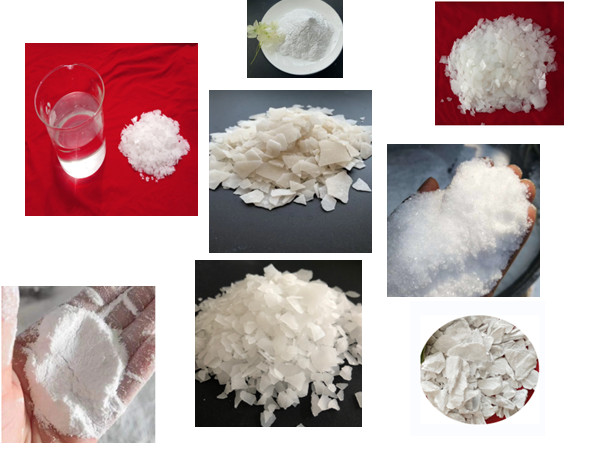
The common type used in aquaculture is magnesium chloride hexahydrate (MgCl₂·6H₂O), with a molecular weight of 203.3, also known as magnesium chloride flakes or granules. It usually appears as white flakes, granules or powder, is readily soluble in water, odorless but with a bitter salty taste, and highly hygroscopic.
1. Water Quality Regulation
o Improves water hardness: Magnesium ions from magnesium chloride increase magnesium content in water, thus raising water hardness and providing a suitable growth environment for aquatic animals.
o Stabilizes pH value: Helps stabilize water pH and reduce the impact of water quality fluctuations on aquatic animals.
o Regulates electrolyte balance: Improves water quality by balancing electrolytes for a healthier living environment.
2. Nutrient Supplementation
o Provides essential nutrients: Magnesium is a necessary nutrient for the growth of aquatic animals, participating in the regulation of various enzyme activities, and is vital for bone growth, metabolism and immune function.
o Promotes feed absorption: Adding magnesium chloride to feed improves feed utilization efficiency and promotes growth.
3. Promotes carapace hardening: Supplies calcium and magnesium during the molting period of shrimp and crabs, improving survival rate and shortening hardening time.
4. Stabilizes water quality: Increases total hardness, buffers pH and stabilizes the aquatic environment.
5. Regulates osmotic pressure: Stabilizes water during rainstorms or stress periods and reduces disease risk.
COA is an important quality certification document for magnesium chloride, mainly including:
1. Product name and specification: Chemical formula (e.g., MgCl₂·6H₂O), molecular weight, appearance (e.g., white flakes) and packaging (e.g., 25kg/bag).
2. Test items and standards
o Magnesium chloride content: Purity tested to meet industrial standards (e.g., ≥44.5%).
o Impurity content: Sulfate, alkali metal chlorides and other impurities tested to ensure purity.
o Physical properties: Solubility, hygroscopicity and other characteristics recorded for application reference
1. Industrial or snow-melting grade magnesium chloride is strictly prohibited, as heavy metals and impurities may poison aquatic animals. Only aquaculture or feed grade is allowed.
2. Dissolve fully before splashing evenly over the pond; do not throw directly to avoid stress from excessive local concentration.
3. Avoid high-dose application during peak molting periods to prevent sudden changes in water hardness that affect hardening and survival.
4. Do not use with quicklime or strong alkaline products; allow at least 24 hours interval.
5. Do not use in hot, stuffy weather or when hypoxia and floating occur, to avoid increased stress.
6. Control dosage to prevent excessive salinity and osmotic pressure disorders leading to abnormal molting.
7. Store in a dry and ventilated place. It is highly hygroscopic and caking, but can still be used if fully dissolved.
8. Aerate properly after use. Observe aquatic animals; change water and aerate immediately if abnormalities appear.