E-mail:
tina@yuzechemical.com
Contact: Tina Pan
Email: tina@yuzechemical.com
Wechat: +8618660611992
Whatsapp: +8618660611992
Address: Xinxing Village, Dajiawa Street, Binhai Economic Development Zone,Weifang City ,Shandong Province,China.
Website: www.wfyuzehg.com
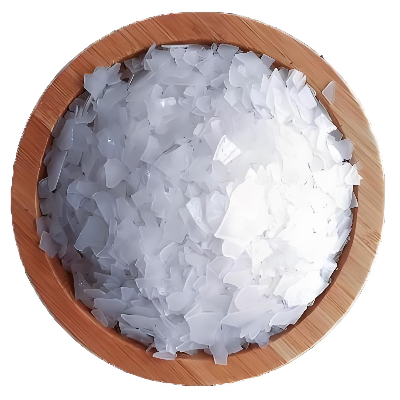
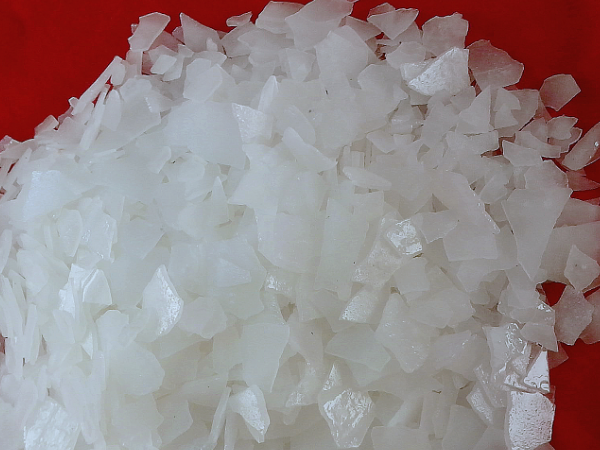
Most aquaculture farmers adopt 46% magnesium chloride flakes or magnesium chloride powder of hexahydrate magnesium chloride as magnesium chloride for aquaculture. This grade of magnesium chloride is applicable to freshwater farming of shrimp, crabs and fish, and serves as an indispensable raw material for seawater aquaculture as well.
1. Supplement magnesium to adjust calcium-magnesium ratio and accelerate shell shedding & hardening of crustaceans
Magnesium is an essential mineral for carapace calcification of shrimps and crabs, with the optimal calcium-magnesium ratio ranging from 2.5:1 to 3:1. Ponds supplied with underground water usually feature high calcium but insufficient magnesium, which commonly causes soft shells or mortality from failed molting.
Sprinkle the solution 2 to 3 days ahead of molting to raise survival rate during ecdysis, shorten shell hardening duration and cut down losses caused by soft-shell wandering death.
2. Stabilize water body and cultivate beneficial algae to prevent algae collapse and drastic pH swings
As a core constituent of chlorophyll, magnesium fuels the proliferation of diatoms, green algae and other beneficial algae to improve dissolved oxygen content. Different from magnesium sulfate, it contains no sulfate radicals, avoiding sulfide accumulation at pond bottom and hydrogen sulfide breeding. It effectively restrains cyanobacteria breakout and algae crash, improves water pH buffering capacity and curbs violent daily pH fluctuation.
3. Regulate osmotic pressure to boost anti-stress capacity of aquatic animals
Apply before heavy rain, water exchange, high-temperature spell or medication to stabilize ionic osmotic pressure of pond water, helping shrimp, crab and fish resist environmental stress and reducing risks of pond collapse, surface wandering and feed refusal. Pre-treatment with the product greatly cuts mortality during long-distance transportation of shellfish and whiteleg shrimp.
4. Chelate heavy metals for auxiliary detoxification
Magnesium ions bind lead, copper, cadmium and other heavy metals in water to reduce their toxic effects; meanwhile it mildly suppresses peritrich such as Zoothamnium and Epistylis for auxiliary disease control.
5. Elevate total water hardness and optimize bottom substrate
It lifts total hardness of low-hardness ponds (total hardness below 120mg/L) with barren water quality. Regular application inhibits substrate acidification and black sludge formation. In freshwater culture of Pacific white shrimp, it is used to formulate simulated seawater ionic environment.
1. Never apply magnesium chloride flakes together with quicklime or calcium peroxide on the same day. The chemical reaction produces magnesium hydroxide precipitate that clogs aquatic gills and triggers physiological hypoxia, even massive pond death in severe cases. A minimum 24-hour interval is required between quicklime usage and magnesium chloride application.
2. Avoid simultaneous use with sodium bicarbonate or sodium carbonate, as insoluble magnesium carbonate precipitate forms and invalidates both calcium and magnesium supplements.
3. Do not dissolve magnesium chloride and calcium chloride in the same container; precipitation renders both products ineffective. Dissolve separately and spray at least several hours apart.
4. Strictly forbid direct dry spreading into ponds. Undissolved concentrated magnesium locally shocks aquatic organisms and causes death. Fully dissolve the product in warm water at 30–35℃ prior to uniform splashing.
1. Heavy metal limit of magnesium chloride flakes or powder
Request suppliers to provide official test reports for lead, arsenic, cadmium and sulfate content. Excessive impurities and heavy metals from inferior industrial magnesium chloride lead to heavy metal accumulation, substrate deterioration and beneficial algae die-off. Qualified hexahydrate or anhydrous magnesium chloride for aquaculture shall meet: total heavy metals ≤5ppm, lead<1ppm, arsenic<0.5ppm, water-insoluble substance ≤0.1%, sulfate ≤0.4%. Yellowish industrial raw flakes always carry excessive impurities and produce turbid solution after dissolution.
2. Clarity of aqueous solution
Premium aquaculture-grade magnesium chloride dissolves fully in warm water to form clear, sediment-free liquid with no silt residue. Turbid finished solution indicates adulteration with salt or inferior raw materials.
1. Restricted use in ponds with high original hardness and magnesium content
Avoid frequent dosing for ponds with total hardness over 350mg/L and aged seawater ponds; excessive magnesium breaks ionic balance and facilitates cyanobacteria outbreak.
2. Cautious use in bare clear ponds with negligible algae
Unconsumed residual magnesium accumulates at pond bottom without algal absorption, stimulating benthos and triggering peritrich infection. Conduct fertilization for algae cultivation before low-dose magnesium supplementation.
3. Suspended application in ponds with black substrate and severe hydrogen sulfide pollution
Carry out bottom remediation and oxidative treatment first; direct splashing worsens toxin release from deteriorated sludge.
Magnesium chloride for aquaculture is an indispensable aquaculture input, yet scientific dosing relies on prior water quality testing of pond indicators to match dosage with actual water conditions and maximize farming profits.
As a professional magnesium chloride manufacturer with 13 years of production experience, Yuze supplies diversified products including anhydrous magnesium chloride, hexahydrate magnesium chloride, food-grade, industrial-grade and aquaculture-specific magnesium chloride tailored to varied customer demands.
Previous: Functions of Anhydrous & Hexahydrate Magnesium Chloride Across Industries
Next: Questions & Answers Collection No.1 for Brine Flakes – Yuze Magnesium Chloride Manufacturer