E-mail:
tina@yuzechemical.com
Contact: Tina Pan
Email: tina@yuzechemical.com
Wechat: +8618660611992
Whatsapp: +8618660611992
Address: Xinxing Village, Dajiawa Street, Binhai Economic Development Zone,Weifang City ,Shandong Province,China.
Website: www.wfyuzehg.com
Yuze magnesium chloride factory can responsibly tell you that the answer is no.
I. High-Purity Magnesium Chloride Itself: Purity Does Not Alter Color
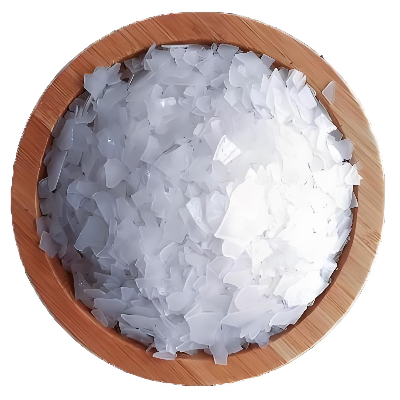
Whether it is anhydrous magnesium chloride or high-purity magnesium chloride hexahydrate, their original colors are off-white / crystalline. The actual reason for differences in color is the impurities contained within:
Traditional industrial magnesium chloride (brine flakes, brine powder, brine) appears yellowish, grayish, brownish, or black. The source of these colors is not magnesium chloride itself, but impurities. The main impurities include: sodium chloride, calcium chloride, sediment, iron ions, magnesium hydroxide, organic matter, and residual pigments from brine refining.
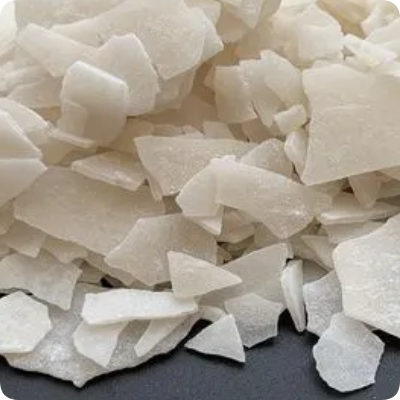
Yellowish, dark gray, turbid, or black appearance: indicates high levels of iron, sediment, and organic matter — meaning a large proportion of impurities and correspondingly low magnesium chloride content.
Over time, many users have observed a pattern: the whiter the magnesium chloride (produced via the acid method by modern magnesium chloride factories), the fewer impurities it contains and the higher its magnesium chloride content. This has led to a common misconception among users.
Some time ago, our magnesium chloride factory received feedback from a customer who asked:"Why do magnesium chloride hexahydrate flakes that look similar in appearance have different prices?"We analyzed this issue and found that the main reason lies in differences in quality, manifested in the following points:
1.Similar appearance despite different quality: Some other factories bleach their magnesium chloride by adding hydrochloric acid and applying bleaching processes during production, resulting in a highly similar external appearance.
2.Content differences: Through laboratory testing at our factory, we found significant gaps between the two products in terms of content, impurities, water-insoluble matter, and other indicators.
3.Caking issues: Our industrial magnesium chloride (both anhydrous and hexahydrate) at Yuze Magnesium Chloride Factory is produced using a primary production process. Some factories use a by-product process, which means their industrial magnesium chloride is more prone to caking under the same storage conditions.
Taking brine flakes as an example:
· High-purity transparent brine: high MgCl₂ content;
·Turbid yellowish-brown brine: high impurity content; at the same specific gravity, the effective magnesium chloride content is lower.
When brine flakes are bleached to improve their marketability, they may look similar to acid-method magnesium chloride hexahydrate flakes — but their inherent properties remain unchanged.
II.
1. Shade Caused by Concentration ≠ Color Change
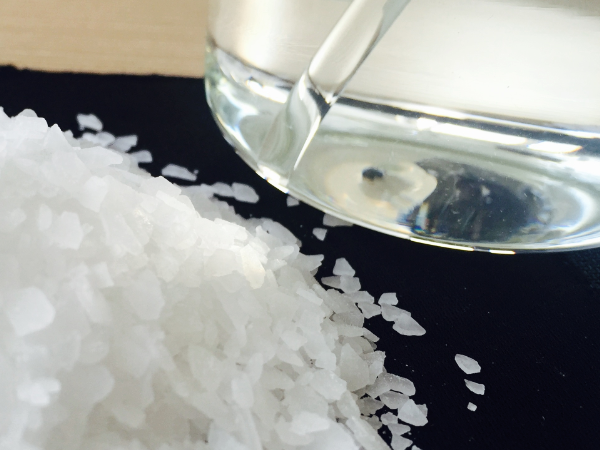
In high-purity magnesium chloride solutions, higher concentration only reduces light transmittance, making the solution appear "more opaque and whitish." When diluted, it returns to colorless and remains essentially transparent — this does not count as discoloration from impurities.
2. Misconception Correction
It is not that "higher magnesium chloride content necessarily makes it whiter"; rather, fewer impurities make it whiter, and products with fewer impurities generally have higher magnesium chloride content.
In rare cases: Only when impurities are artificially removed through purification can the color become whiter and more transparent, with magnesium chloride content rising simultaneously. Simple bleaching only changes the external appearance.
Summary:
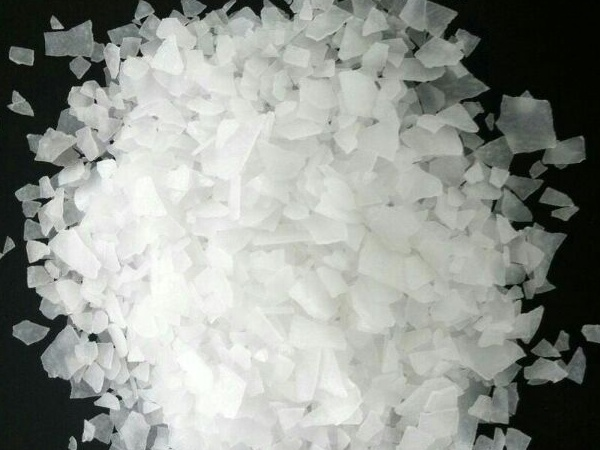
1.High-purity magnesium chloride: There is no direct relationship between purity level and color. Remember the original colors:
o Anhydrous magnesium chloride: off-white;
o High-purity anhydrous magnesium chloride: white (like flour color, a product of secondary purification by magnesium chloride factories);
o Magnesium chloride hexahydrate:
§ Brine flakes: slightly yellow (similar to orange);
§ Regular flakes: milky white;
§ High-purity magnesium chloride hexahydrate: transparent / semi-transparent.
2.Industrial magnesium chloride: Color is determined by impurities. The lighter and whiter the color, the higher the effective magnesium chloride content — the two are indirectly correlated, and it is not the magnesium chloride content itself that causes the color change.
Previous: Functions of Magnesium Chloride in Magnesium Cement and Magnesite Products
Next: Characteristics and Applications of Magnesium Chloride (Hexahydrate & Anhydrous)