E-mail:
tina@yuzechemical.com
Contact: Tina Pan
Email: tina@yuzechemical.com
Wechat: +8618660611992
Whatsapp: +8618660611992
Address: Xinxing Village, Dajiawa Street, Binhai Economic Development Zone,Weifang City ,Shandong Province,China.
Website: www.wfyuzehg.com
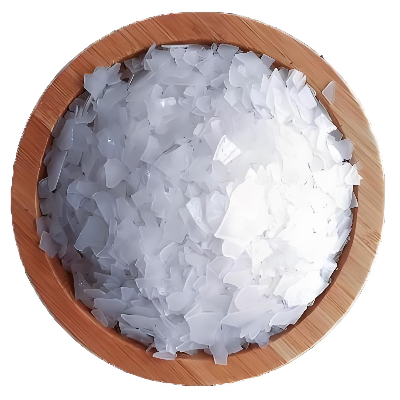
Many farmers are confused: anhydrous magnesium chloride has higher magnesium content while magnesium chloride hexahydrate contains less magnesium. Why do magnesium chloride manufacturers recommend the hexahydrate form? Here are the main reasons:
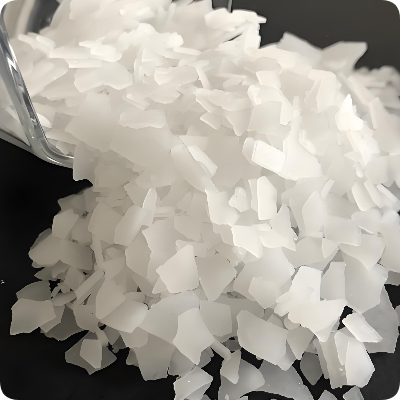
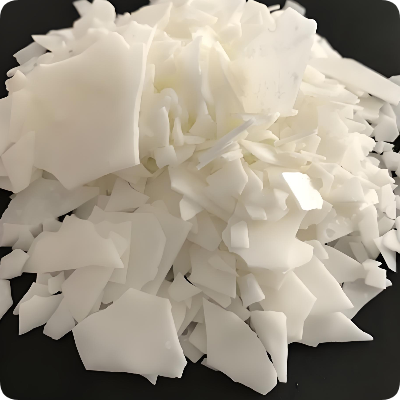
1. Cost factor The theoretical magnesium content of magnesium chloride hexahydrate (MgCl₂·6H₂O) is about 12%, and that of anhydrous magnesium chloride (MgCl₂) is around 25.5%. However, their price gap is far more than double. Normally, magnesium chloride hexahydrate costs several hundred RMB per ton, while anhydrous magnesium chloride is priced above 2300 RMB per ton, at least three times more expensive.
2. Impurity & safety Feed-grade and aquaculture-grade magnesium chloride hexahydrate complies with mature national and feed standards with strictly controlled heavy metal indexes. Qualified manufacturers such as Yuze mostly produce it via chemical synthesis or brine processes, offering higher safety. Most anhydrous magnesium chloride is made from industrial or chemical intermediate raw materials containing metals, such as by-products from titanium sponge production. Therefore, anhydrous magnesium chloride is mainly used for industrial applications. Without strict quality inspection during procurement, it carries high risks for aquaculture and livestock breeding. In addition, poor process control during anhydrous magnesium chloride production may form basic magnesium chloride and trace HCl. Once introduced into feed or water, these substances can irritate animal digestive tracts and alter pH values.
3. Application risks Magnesium chloride hexahydrate and anhydrous magnesium chloride behave differently when contacting water. Anhydrous magnesium chloride releases massive heat violently upon hydration, causing instant local water temperature rise and sharp increase of local salinity. Direct application in shrimp and crab ponds may burn gills, induce stress, cause soft shells and even deaths. Magnesium chloride hexahydrate slightly absorbs heat when dissolving, keeping water temperature stable and enabling gentle changes of water ions. It suits magnesium supplementation for shrimp and crab molting as well as addition in cattle and sheep feed or drinking water with low animal stress risk. Some magnesium chloride hexahydrate produced from brine contains calcium, sodium and other elements beneficial to shrimp and crabs, helping them harden shells rapidly after molting.
Above is the introduction from Yuze, magnesium chloride manufacturer, explaining why magnesium chloride hexahydrate rather than anhydrous magnesium chloride is recommended for livestock and aquaculture.
A: Its core function is to prevent hypomagnesemia (grass staggers), which frequently occurs in spring when animals graze tender young grass.
· Feed addition: 0.3%–0.6% of total diet.
· Lactating dairy cows: 60–90 g magnesium chloride hexahydrate per head daily. It can be mixed into feed or drinking water with gradual dosage increase to avoid palatability stress.
A: It tastes bitter. Overdosage at one time will make cattle and sheep refuse drinking. Dosage for drinking water should be raised step by step.
A: Timing: 7 days before molting, after heavy rain with freshwater inflow, after water exchange, or in soft-water ponds with low total hardness. Do not add large amounts of magnesium when ammonia nitrogen / nitrite levels are high or dissolved oxygen is severely insufficient. Solve fundamental water quality problems first. Target magnesium ion concentration: Maintain 100–150 mg/L for Litopenaeus vannamei. Do not broadcast large quantities directly in dry form. Dissolve fully, spread evenly across the whole pond and apply in two separate doses to prevent drastic osmotic pressure changes and stress.
Yuze Magnesium Chloride Manufacturer reminds that magnesium chloride hexahydrate is also an important raw material for seawater adjustment. For inland water bodies deficient in magnesium, dosage must be strictly controlled. Magnesium salts have a mild laxative effect; excessive addition in pig and poultry feed will cause diarrhoea and reduce feed intake. Feed-grade dosage shall follow nutritional standards — more is not always better. Generally for pigs: around 0.04%; for chickens: around 0.05% (calculated by magnesium, subject to growth stage and standards). For magnesium supplementation in freshwater aquaculture: raise magnesium to 20–50 mg/L, adjusted according to aquatic species and background water parameters.