E-mail:
tina@yuzechemical.com
Contact: Tina Pan
Email: tina@yuzechemical.com
Wechat: +8618660611992
Whatsapp: +8618660611992
Address: Xinxing Village, Dajiawa Street, Binhai Economic Development Zone,Weifang City ,Shandong Province,China.
Website: www.wfyuzehg.com
Many customers who purchase and use chemical and food raw materials often ask two common questions: Is magnesium chloride harmful to the human body? Is magnesium chloride toxic? Online information regarding the toxicity and safety of magnesium chloride is inconsistent and confusing, especially for new purchasers from food processing plants and industrial enterprises. In fact, magnesium chloride is neither absolutely toxic nor completely harmless. Its safety mainly depends on the product grade,purity,dosage,and application scenario.
The so-called toxicity of magnesium chloride in most cases comes from heavy metal impurities in industrial-grade products, rather than inherent toxicity in pure magnesium chloride. Qualified food-grade magnesium chloride is safe and non-toxic for food processing when used in compliance with standards. In contrast, low-quality industrial-grade magnesium chloride contains excessive impurities and may cause health damage if misused or accidentally ingested. To avoid safety risks fundamentally, it is essential to cooperate with qualified magnesium chloride manufacturers and reliable magnesium chloride suppliers.
From a toxicological perspective, magnesium chloride is a low-toxic inorganic compound with no carcinogenic or genotoxic properties and is not a highly toxic substance. Recognized by the FAO and WHO, standard-purified magnesium chloride is safe for daily use with no restricted daily intake limit. It poses extremely low risks under standardized operation and is widely accepted as a safe raw material for food and industrial applications.
The perceived toxicity of magnesium chloride falls into two categories. The first is physiological toxicity caused by excessive intake. Overconsumption may lead to hypermagnesemia, disrupt human electrolyte balance, and cause gastrointestinal discomfort, physical weakness, and other mild symptoms. The second is impurity toxicity from inferior industrial products. Non-standard products produced by unqualified magnesium chloride manufacturers contain lead, mercury, and other heavy metals, which may damage the liver, kidneys, and nervous system after long-term contact or accidental ingestion. In comparison, qualified food-grade magnesium chloride is thoroughly purified and impurity-free, ensuring complete safety with standard usage. For thousands of years, people in China have safely used food-grade magnesium chloride as a coagulant for tofu and other foods without adverse health effects.
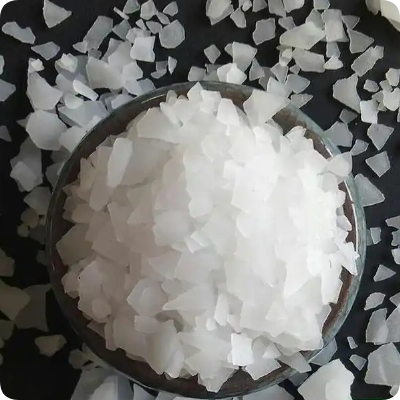
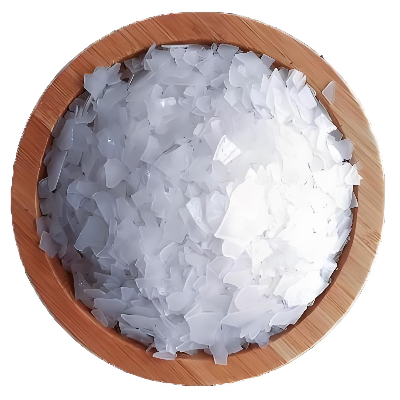
After elaborate purification and multi-stage impurity removal, food-grade magnesium chloride complies with national food safety standards and is the only magnesium chloride grade approved for food processing. It is widely used as a coagulant and texture improver for soy products, rice noodles, and flour products. High-quality products from formal magnesium chloride manufacturers contain no heavy metals or harmful residues and are completely safe for human consumption when applied at standard dosages.
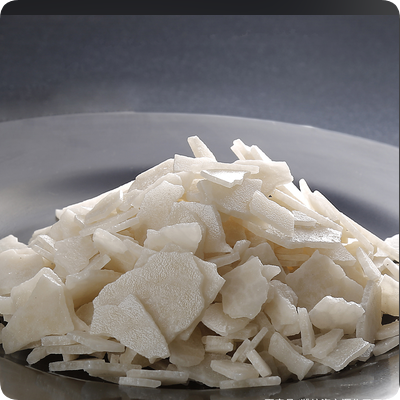
Industrial-grade magnesium chloride is exclusively used for industrial scenarios such as snow melting, building material production, metallurgy, and sewage treatment. It is not purified for food-grade standards and contains numerous heavy metal impurities, making it strictly inedible and unsuitable for long-term direct human contact.
Industrial magnesium chloride dust may irritate the respiratory tract and cause dry skin, peeling, and allergic dermatitis after prolonged skin exposure. Accidental ingestion leads to heavy metal accumulation in the human body, impairing liver and kidney functions, disturbing electrolyte balance, and causing abdominal pain, vomiting, and other toxic symptoms. It poses greater threats to sensitive groups such as the elderly, children, and pregnant women.
Most safety incidents occur due to improper product distribution. Many magnesium chloride suppliers deliver products without confirming the customer’s usage scenario. Since food-grade magnesium chloride is more expensive than industrial-grade alternatives, some middlemen prioritize low costs and sell industrial-grade products to terminal food processors. This mismatch results in contaminated food and causes serious health harm to consumers.
1. Strict Scenario Matching: Only apply compliant food-grade magnesium chloride in food production. Never replace food-grade material with industrial-grade magnesium chloride. Use industrial-grade products exclusively for industrial applications to balance safety and cost-effectiveness.
2. Strict Dosage Control: Follow international standard dosage limits. Magnesium chloride is non-toxic and safe within standard doses; excessive addition may cause gastrointestinal discomfort.
3. Standardized Operation and Storage: Wear protective masks and gloves when handling industrial-grade magnesium chloride to avoid dust inhalation and direct skin contact. Seal all magnesium chloride products and store them in dry and ventilated environments to prevent moisture deterioration and impurity contamination.
4. First Aid for Accidental Ingestion: Drink plenty of water to accelerate metabolism after minor ingestion. Seek immediate medical treatment if severe symptoms such as vomiting, abdominal pain, or dizziness occur after excessive ingestion.
In summary, to answer the question of whether magnesium chloride is harmful or toxic: As professional magnesium chloride manufacturers, we clearly conclude that compliant food-grade magnesium chloride is low-toxic,safe,and side-effect-free for food processing. In contrast, industrial-grade magnesium chloride contains excessive impurities and irritative substances and is strictly forbidden for food use.
To ensure safety, users must distinguish product grades clearly and reject unqualified products. Always cooperate with qualified, technologically mature magnesium chloride manufacturers and reliable magnesium chloride suppliers. Standardized product selection and compliant usage can effectively eliminate potential safety hazards of magnesium chloride.
Previous: Functions, Principles and Dosage of Magnesium Chloride in De-Icing Agents
Next: Magnesium Chloride Price Trend 2026 | Price Per Ton and Influencing Factors