E-mail:
tina@yuzechemical.com
Contact: Tina Pan
Email: tina@yuzechemical.com
Wechat: +8618660611992
Whatsapp: +8618660611992
Address: Xinxing Village, Dajiawa Street, Binhai Economic Development Zone,Weifang City ,Shandong Province,China.
Website: www.wfyuzehg.com
Note: Quotations are China ex-factory reference prices (2026) for 46% hexahydrate magnesium chloride flakes and anhydrous magnesium chloride powder. Prices fluctuate according to order quantity, packaging, purity and origin.
(1. Domestic China price; 2. Hexahydrate magnesium chloride in flake form; 3. Anhydrous magnesium chloride in powder form)
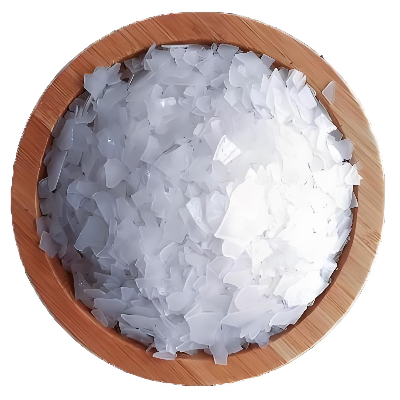
· Industrial-grade hexahydrate magnesium chloride (46%, ordinary flakes / by-product): CNY 580–700 per metric ton
· Industrial-grade white magnesium chloride flakes (46%, brine flakes / chemical synthesis process): CNY 750–1800 per metric ton
· Food-grade magnesium chloride (hexahydrate, complying with GB25584): CNY 1100–1400 per metric ton
· Industrial anhydrous magnesium chloride powder: CNY 2300–4600 per metric ton
Note:The above prices are factory ex works prices, excluding port charges, transportation、packaging and other expenses.
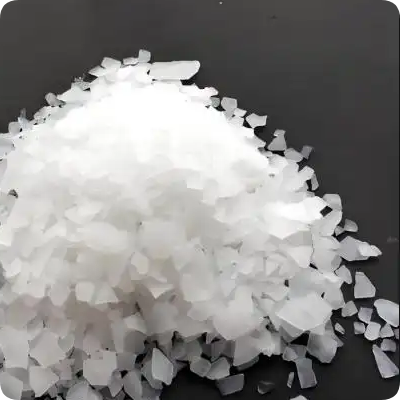
The magnesium chloride market saw mild fluctuations and stayed at a low level in the first half of 2026.
· H1 (Q1-Q2): Ample supply keeps prices stable.
· Late Q3 to Q4: Entering the stock-up season for deicers in northern regions, demand rises, and prices of industrial-grade magnesium chloride usually increase by 10%-20%.
Prices of food-grade magnesium chloride remain relatively stable. Due to high purification costs and strict entry barriers, its price volatility is lower than industrial-grade products with sustained premium pricing.
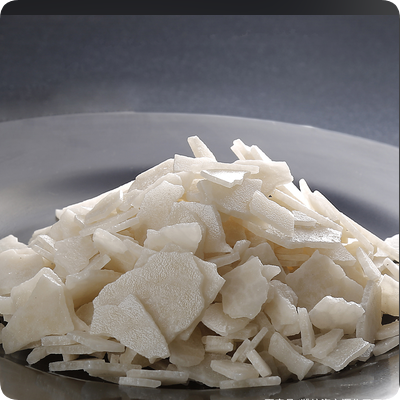
1. Raw Material and Energy Costs Raw materials are sourced from salt lake brine, seawater, chemical by-products or chemical synthesis. Magnesium chloride made via chemical synthesis or natural brine is more costly than by-product magnesium chloride, which stems from different production technologies adopted by magnesium chloride manufacturers. White flakes command a 15~25% price premium.
2. Product Grade, Purity and Impurity Indicators (the most influential factor) Food-grade magnesium chloride requires deep removal of heavy metals (lead, arsenic, mercury, cadmium), together with high costs for quality inspection and compliance certification, so it is much more expensive than industrial-grade magnesium chloride. Among industrial grades, white magnesium chloride flakes feature higher purity and fewer impurities, priced higher than ordinary brine flakes and by-product magnesium chloride. The dehydration process for anhydrous magnesium chloride consumes massive energy, resulting in a far higher price than hexahydrate magnesium chloride.
3. Seasonal Demand (deicing season causes the largest cyclic price swing) From October to February of the next year, the peak purchasing season for deicers in Europe, America and northern China drives strong demand for industrial-grade magnesium chloride and pushes market prices up. Spring and summer are off-seasons with price declines. Demand from industries including construction, dust control, sewage treatment and aquaculture remains steady year-round with minor fluctuations.
4. Order Volume, Packaging, Logistics and Freight Full container loads (FCL) are roughly 5% cheaper than small bulk orders. Final prices cover costs of ton bags / 25kg PE bags, inland transportation (linked to oil prices), ocean freight (sometimes sea freight exceeds the value of goods), and port surcharges.
The above is a summary of 2026 magnesium chloride prices (how much magnesium chloride costs per ton), market trends and influencing factors from Yuze, a magnesium chloride manufacturer. If you work in this industry, feel free to contact us for inquiries. We, Weifang Yuze magnesium chloride manufacturer, have 13 years of industry experience and prioritize product quality.
Next: No Information