E-mail:
tina@yuzechemical.com
Contact: Tina Pan
Email: tina@yuzechemical.com
Wechat: +8618660611992
Whatsapp: +8618660611992
Address: Xinxing Village, Dajiawa Street, Binhai Economic Development Zone,Weifang City ,Shandong Province,China.
Website: www.wfyuzehg.com

Magnesium Chloride for Dust Suppression
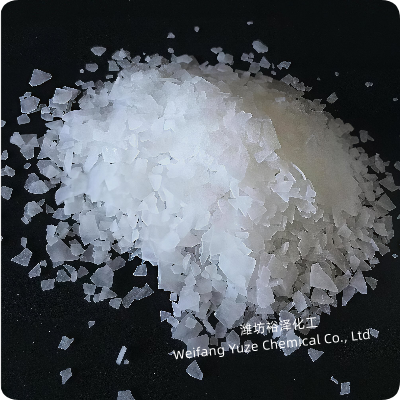
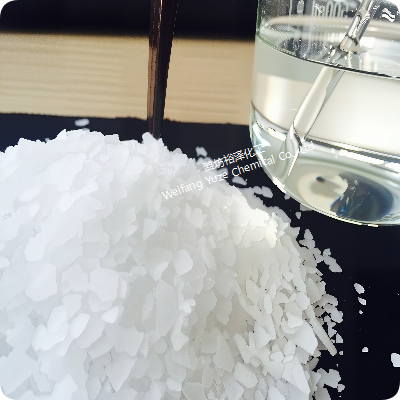
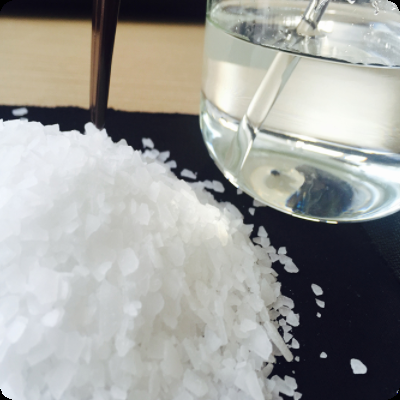
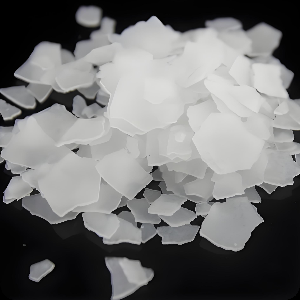
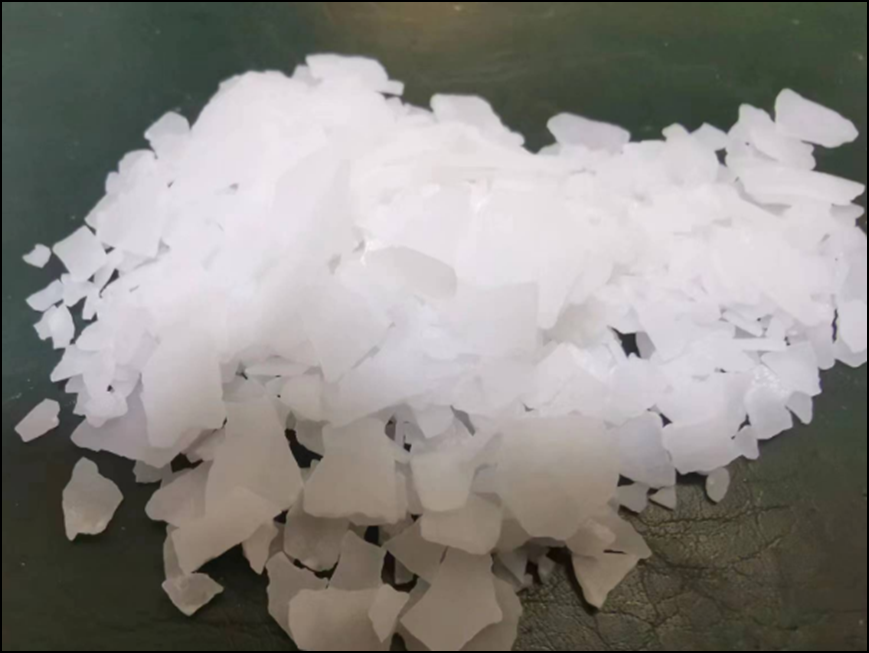
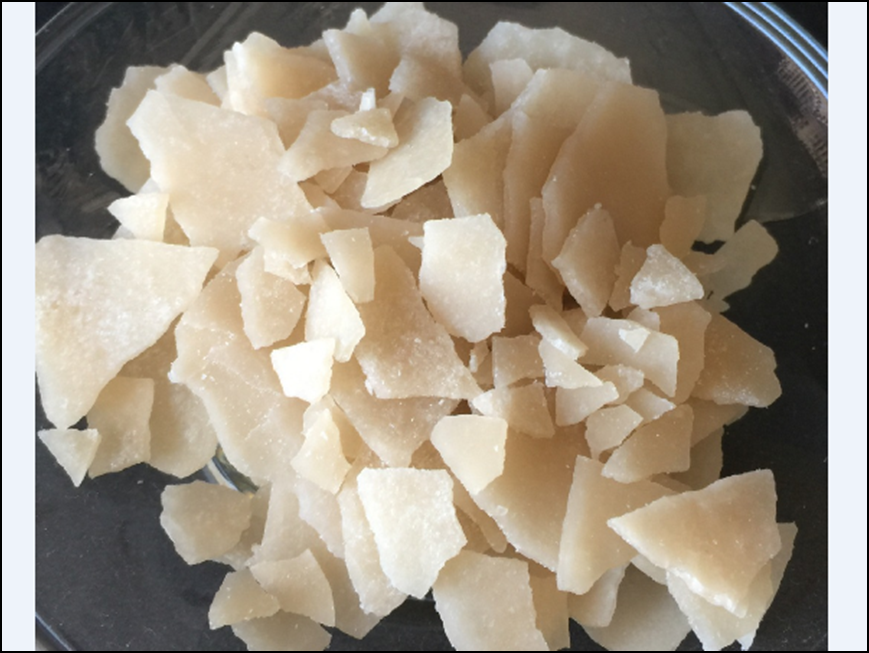
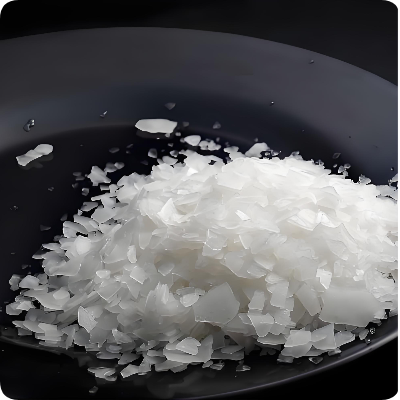
Magnesium Chloride Hexahydrate
46% Magnesium Chloride
Magnesium chloride for dust control mainly refers to industrial‑grade 46% magnesium chloride hexahydrate in flake or powder form. Its core function for dust suppression is simple: to stop dust from becoming airborne. It achieves this through three key mechanisms:
First, moisture absorption. As a highly hygroscopic inorganic salt, magnesium chloride continuously absorbs moisture from the air once sprayed on dust surfaces. It forms a long‑lasting wet film that does not evaporate quickly like ordinary water, maintaining surface humidity for an extended period.
Second, agglomeration & bonding. Moistened dust particles gain increased stickiness. After the magnesium chloride solution evaporates, salt crystals remain on particle surfaces, binding loose fine particles into larger aggregates. Heavier particles settle by gravity and no longer float in the air.
Third, film formation. Repeated spraying creates a dense crust over the material surface, locking dust underneath and preventing it from being blown away by wind.
I. Main Applications
1. Dust control for unpaved roads, rural roads and mine haul roads
2. Dust suppression at mining sites, muck yards, sand and gravel yards, and construction sites
3. Long‑term dust control at ports, freight yards and mine transport routes
4. Wind prevention, sand fixation and soil consolidation in deserts and arid regions
· Used for soil stabilization in construction industries after dissolving in water.
II. Common Specifications
· Purity: 46% magnesium chloride hexahydrate (main grade)
· Forms: flakes (primary), pellets and powder available
· Packaging: 25 kg bags, bulk bags and bulk shipments
III. Key Advantages of Dust‑Control‑Grade Magnesium Chloride
1. Low cost
Raw materials are widely sourced from salt lakes and seawater. Its price is far lower than organic dust suppressants. Application is simple with standard spraying equipment, requiring no special processes.
2. Environmentally safe & non‑toxic
As an inorganic salt, magnesium chloride is non‑toxic to humans and animals. It does not contaminate soil or water, allowing normal land use after application, unlike chemical suppressants that leave harmful residues.
3. Powerful hygroscopicity (core strength)
Plain water evaporates within hours, while magnesium chloride actively absorbs moisture from the air to continuously re‑hydrate dust surfaces. It performs exceptionally well in arid and dry areas.
4. Multi‑functional performance
Non‑flammable, it provides both dust suppression and fire‑retardant effects for coal piles and mines. With a low freezing point, it remains effective down to −30 °C, suitable for winter use in northern regions and also serves as a de‑icer.
5. Fast‑acting effect
A wet film forms on dust surfaces shortly after spraying, with visible dust‑control results achieved the same day, with no long curing period required.
IV. Standard Four‑Step Application Process
4.1 Operation Guidelines & Key Parameters
Step | Operation Points | Critical Parameters |
① Dilution & Mixing | Dilute with water per instructions; stir fully until completely dissolved with no sediment | See dilution ratio table below |
② Uniform Spraying | High‑pressure spray or fog cannon; nozzle height 1–1.5 m above surface with fan‑shaped atomization | Full coverage with no missed areas |
③ Curing & Settling | Allow 1–2 hours curing time (adjust for temperature/humidity) before resuming operations | Film thickness ≥ 1 cm |
④ Regular Re‑spraying | Re‑spray every 7–15 days in dry regions; re‑apply immediately after rainfall | Maintain intact surface film |
4.2 Dilution Ratios (Critical Parameters)
Application Stage | Dilution Ratio | Purpose |
Initial wetting (1st–2nd pass) | 1:500–1:800 | High‑ratio atomization to moisten top layer |
Mid‑term crust formation (3rd–5th pass) | 1:200–1:300 | Lower ratio to gradually form a solid crust |
Routine maintenance | 1:200–1:300 | Maintain film thickness |
In summary, magnesium chloride for dust control does not merely cover dust. It fundamentally changes dust properties by keeping particles wet, heavy and bonded together, so they cannot rise into the air. This is why it works especially well in dry regions: the drier the air, the stronger its moisture‑absorbing capacity and the better its long‑term humidifying performance.