E-mail:
tina@yuzechemical.com
Contact: Tina Pan
Email: tina@yuzechemical.com
Wechat: +8618660611992
Whatsapp: +8618660611992
Address: Xinxing Village, Dajiawa Street, Binhai Economic Development Zone,Weifang City ,Shandong Province,China.
Website: www.wfyuzehg.com
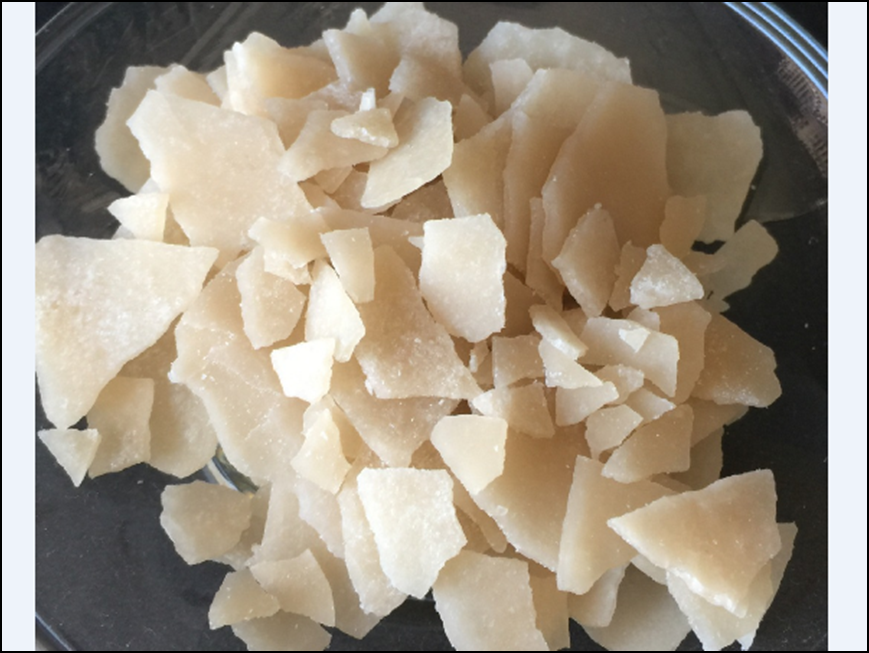
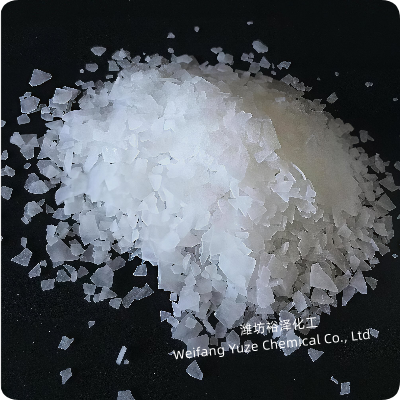
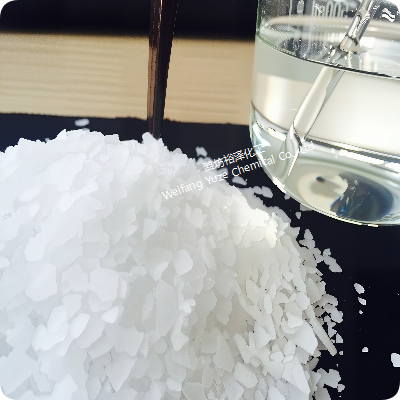
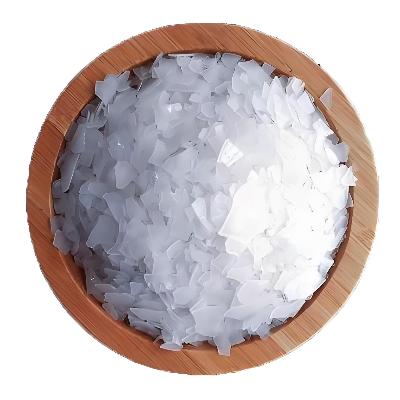
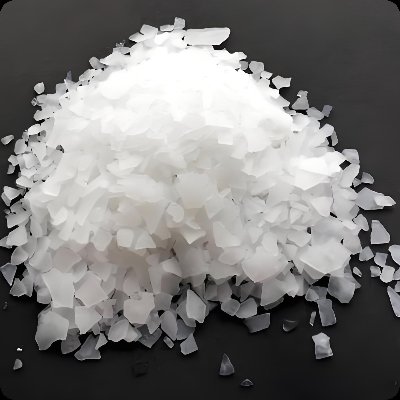
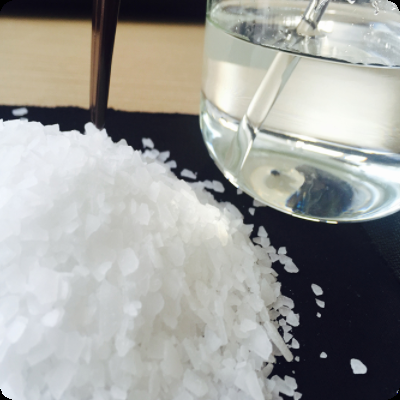
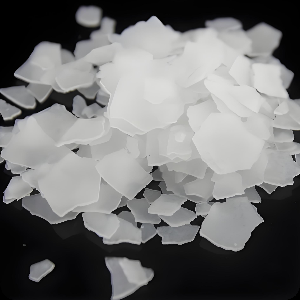
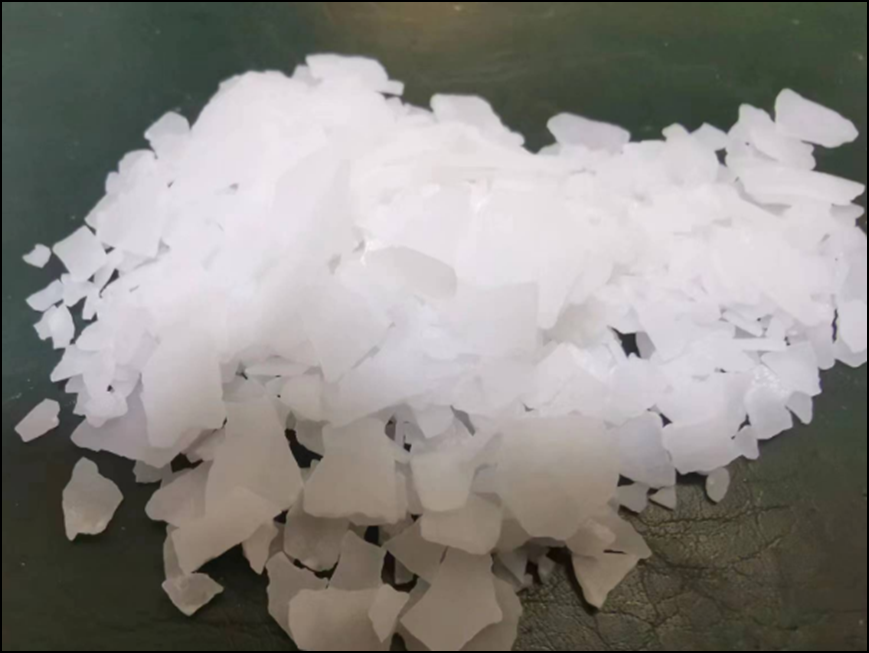
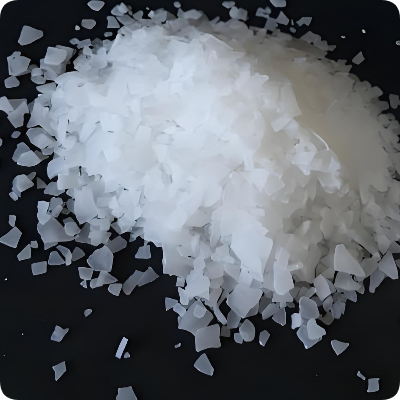
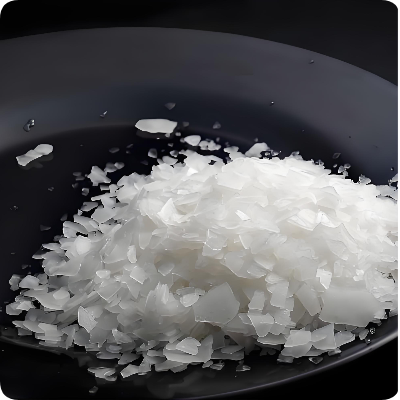
Magnesium chloride hexahydrate flakes refer to flake-shaped magnesium chloride produced from natural brine, with magnesium chloride content ranging between 43% and 47% (the standard range for magnesium chloride hexahydrate). Its appearances include natural raw color, milky white, grayish white and other shades.
The brine mentioned here is bitter brine obtained after concentrating seawater to precipitate sodium chloride crystals. After extracting potassium salt and bromine, the brine is further concentrated to produce brine flakes. It has a relative density of 1.7059 at 15.5°C. After vacuum debromination, the brine is evaporated under normal pressure up to 140°C to remove impurities. The concentrated liquid is then cooled for crystallization, separated, extruded and dried by machines to form finished products in flake, granular and powder forms.
We supply a wide range of flake magnesium chloride categorized by the following criteria:
1. Application Grade
We divide white magnesium chloride hexahydrate flakes into three main series with dozens of specifications: food grade, industrial grade and aquaculture grade.
· Food grade: Used as food additives
· Industrial grade: Widely applied in deicers, flame retardants, building materials, cement, machinery, metallurgy, other chemical raw materials, electronics, agriculture, petroleum industries, etc.
· Aquaculture grade: Used as feed additives for shrimp, crab, cattle, sheep and other livestock breeding.
2. Content Concentration
Our magnesium chloride products cover multiple concentration grades: magnesium chloride hexahydrate flakes with MgCl₂ content from 43% to 47%; anhydrous magnesium chloride ranging from 98% to 99.9%.
3. Appearance & Color
Different production processes create different color types:
· Standard raw flakes: Natural original color
· White flakes: Milky white, grayish white
· Refined magnesium flakes: Transparent white, semi-transparent
4. Impurity Content
Impurity content is a key quality indicator. The test method is simple: dissolve magnesium chloride flakes with water at a 1:1 ratio, let the solution stand for 15 minutes and observe clarity. High-quality flakes produce crystal-clear water with almost no sediment.
Item Name & Chemical Composition | Allowable Impurity Content (%) |
White magnesium chloride hexahydrate flakes | MgCl₂ ≥46%, SO₄²⁻ ≤0.1, K⁺+Na⁺ ≤0.7, CaCl₂ ≤0.2, Other impurities ≤0.9 |
46% standard brine flakes (raw flakes) | MgCl₂ ≥44%, SO₄²⁻ ≤0.2, K⁺+Na⁺ ≤1.2, CaCl₂ ≤0.4, Other impurities ≤2.0 |
· Conventional domestic packaging: Inner plastic bag + outer woven bag, 50kg per bag, jumbo bags or bulk shipment available.
·Export packaging: Double-layer heat-sealed PE packaging (custom orders with minimum quantity), jumbo bags, 25kg / 50kg bags.
1. Metallurgical Industry
It is used to manufacture refractory materials and binders for furnace masonry, and serves as raw material for No.2 flux and metal magnesium smelting.
2. Chemical Industry
Mainly used for producing various magnesium salts including magnesium oxide, magnesium hydroxide and magnesium carbonate; also applied in fireworks ignition agents, disinfectants, refrigerated brine, textile filling, papermaking and antifreeze raw materials.
3. Construction Materials
Mix magnesium chloride with magnesium oxide (magnesia) to form hard, corrosion-resistant magnesium oxychloride cement. The cement can be processed into artificial marble, magnesia tiles, floor slabs, ceiling boards, decorative panels, fireproof boards, ventilation ducts, greenhouse supports, partition boards, magnesia manhole covers, bathtubs, door and window frames, solar cookers, biogas digesters, ceramics, livestock sheds (chicken, duck, rabbit, cattle, sheep, pig barns), granaries, moulds, stoves, table tennis tables, magnesium glass air ducts, cable troughs, light rail sleepers, flower stands, magnesia crafts and prefabricated houses.
4. Machinery Industry
Magnesia cement can be made into mechanical packaging boxes, triangular support blocks and furniture, acting as an eco-friendly substitute for wood and metal materials.
5. Agriculture
Used for producing magnesium fertilizer, potassium-magnesium compound fertilizer and cotton defoliants.
6. Fire Protection Industry
Manufacture of fire-resistant and flame-retardant materials. Soak wood and boards in brine under heating and pressure to greatly improve flame resistance and reduce smoke emission. It is also used as filler for fireproof materials.
Previous: Magnesium Chloride Hexahydrate for Dust Control
Next: Magnesium Chloride Hexahydrate White Flakes 46% Manufacturer