E-mail:
tina@yuzechemical.com
Contact: Tina Pan
Email: tina@yuzechemical.com
Wechat: +8618660611992
Whatsapp: +8618660611992
Address: Xinxing Village, Dajiawa Street, Binhai Economic Development Zone,Weifang City ,Shandong Province,China.
Website: www.wfyuzehg.com
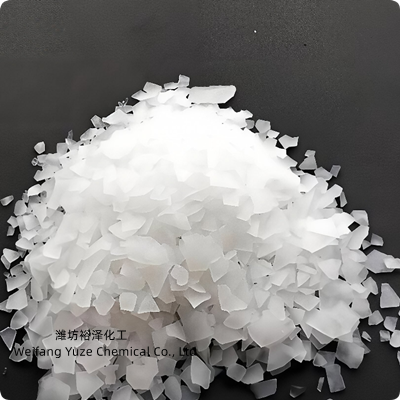
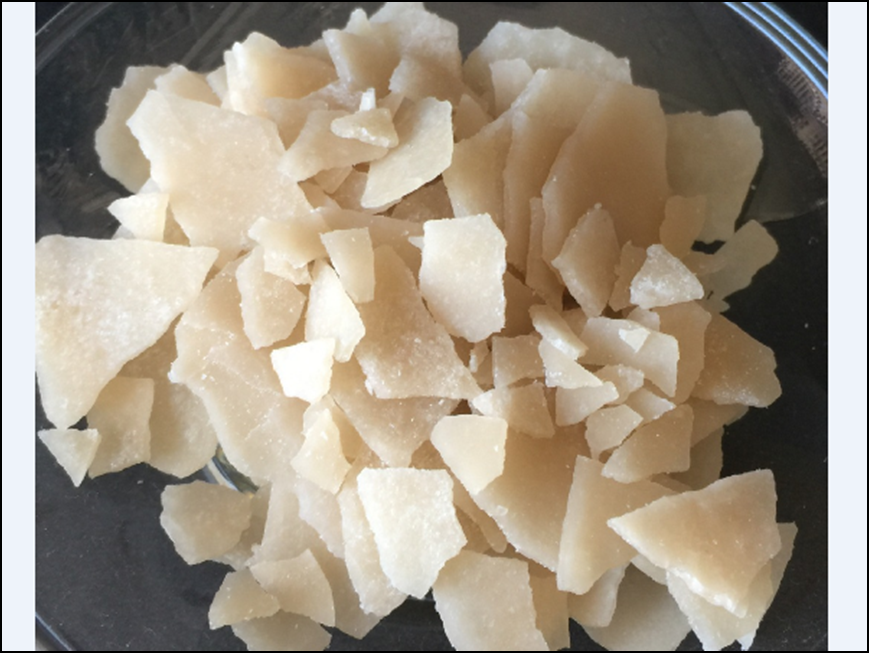
Weifang Yuze is an experienced magnesium salt manufacturer specializing in magnesium chloride hexahydrate. With 13 years in this industry, we supply stable-quality magnesium chloride hexahydrate made by two processes: traditional brine flakes (raw material: salt-making bittern from seawater solar evaporation; process: brine purification → evaporation & concentration → cooling crystallization → flaking & granulation → screening & packaging) and chemically synthesized magnesium chloride hexahydrate via acid method, featuring higher purity and more consistent quality.
Our bittern flakes and acid-synthesized magnesium chloride hexahydrate serve two core lines: seawater-resistant grade and aquaculture grade:
Seawater-resistant magnesium chloride: Designed for seawater, high-salt and high-humidity environments. Low sulfate, low water-insoluble matter, fast dissolution, minimal residues, low powdering for flakes.
Aquaculture magnesium chloride: For shrimp, crab and fish ponds to supplement magnesium, support shell hardening and stabilize water. Heavy metal and arsenic contents are strictly controlled.
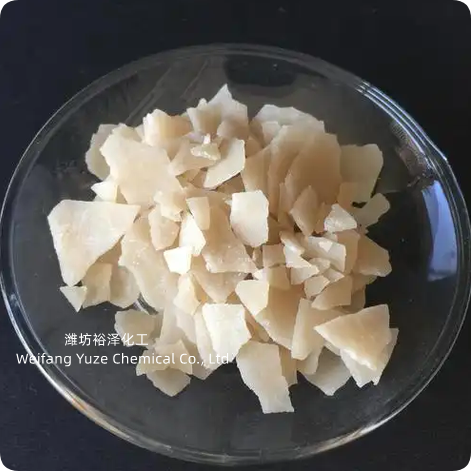
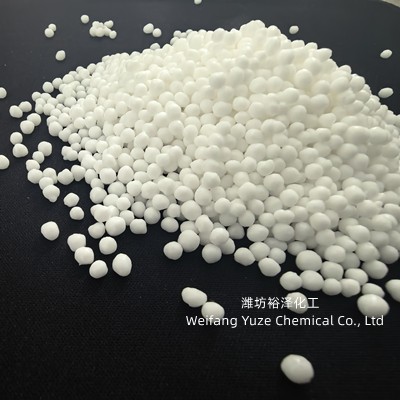
Typical MgCl₂ content ≥46%, high-purity grade ≥47%, white appearance. Forms: flakes (2–8 mm), granules (1–3 mm), powder (60–100 mesh). Packaging: 25 kg woven bag, 50 kg bag, 1000 kg jumbo bag. OEM & custom labels (Chinese / English) available.
Item | Seawater-Resistant Grade | Aquaculture Grade |
MgCl₂, % | ≥46.0 | ≥46.0 |
Sulfate (as SO₄), % | ≤0.2 | ≤0.3 |
Calcium (as Ca), % | ≤0.3 | ≤0.3 |
Alkali metal chloride (as NaCl), % | ≤0.8 | ≤0.8 |
Water-insoluble matter, % | ≤0.05 | ≤0.05 |
Heavy metal (as Pb), % | — | ≤0.001 |
Arsenic (as As), % | — | ≤0.0005 |
Above are typical values; indexes adjustable per application. COA test report from our magnesium chloride manufacturer accompanies each shipment, re-inspection accepted.
Seawater has high salinity and freezing point around -1.9 ℃. Ordinary de-icing materials dilute and fail easily in seawater; standard magnesium chloride with high impurities causes scaling and deposit in pipelines, nozzles and circulating systems. Our seawater-resistant magnesium chloride is engineered for such harsh conditions:
· Low sulfate & low water-insoluble content for clear solution, less clogging and scaling in spraying & circulation systems;
· Fast dissolution with steady heat release, works quickly in cold seawater without undissolved residues.
Freshwater ponds, low-salinity ponds and groundwater ponds with high calcium but low magnesium commonly suffer magnesium deficiency. Consequences include slow molting, soft shells, white muscle / cramp symptoms in shrimp and crabs, weak aquatic plants and unstable algae. Magnesium is the core element of chlorophyll and participates in chitin synthesis and calcium absorption for crustaceans. Magnesium supplementation is routine water management in late aquaculture stages.
Magnesium chloride dissolves readily, delivers more magnesium per unit weight and introduces no sulfate radicals. It avoids hydrogen sulfide buildup in anaerobic sediment, which is its key advantage over magnesium sulfate heptahydrate.
Main benefits:
· Rapid magnesium supplement, raise total hardness, improve water buffering capacity and reduce pH & salinity fluctuation;
· Optimize calcium-magnesium ratio for smooth molting and shell hardening, lower soft-shell and molting failure rates;
· Stabilize algae and water color, reduce algae crash and algal bloom recurrence;
· Relieve ionic imbalance and stress after heavy rain in low-salinity ponds.
Pond Type | Dosage | Application Scenario |
Soft water pond (total hardness <120 mg/L) | 15–20 kg | New ponds, ponds after heavy rain wash |
Normal pond (120–160 mg/L) | 10–15 kg | Regular magnesium maintenance |
Hard water / saline-alkali pond | 6–8 kg | Fine adjustment of magnesium ions |
Target parameters: Mg²⁺ ≥20–30 mg/L; Ca:Mg ratio = 2.5:1 ~ 3:1. For Litopenaeus vannamei in late culture stage: Ca ≥300 mg/L, Mg ≥800 mg/L.
Test water (total hardness, Ca, Mg, salinity, pH) before dosing; avoid blind addition. Apply small doses repeatedly, spread evenly across pond, avoid high noon. Do not apply together with quicklime; keep 1–2 days interval. For shrimp cramp & white body: mix with feed at ~2% feed rate for 3 consecutive days and observe. Use cautiously on cloudy, sultry or low-oxygen days; avoid night application.
Q1:What is the difference between seawater-resistant magnesium chloride and ordinary industrial magnesium chloride? Similar main content. Differences lie in impurity control and particle stability: lower sulfate and insoluble content, clearer solution with fewer residues; flakes have higher strength and lower powdering rate, suitable for offshore high humidity and open storage yards.
Q2 :How much aquaculture magnesium chloride per mu of pond? 10–15 kg per mu per meter depth for regular ponds; 15–20 kg for soft water ponds; 6–8 kg for hard water ponds. Final dosage depends on water test results; small trial area recommended first.
Q3:Can magnesium sulfate replace aquaculture magnesium chloride? It supplies magnesium but delivers less magnesium by equal weight and brings sulfate radicals. Magnesium chloride is preferred for ponds with anaerobic bottom prone to hydrogen sulfide.
Industrial magnesium chloride for road construction & mine building
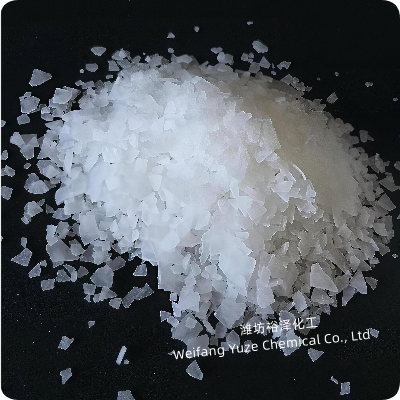
Magnesium Chloride Manufacturer Supplies Low Impurity 46% White Magnesium Chloride Flakes
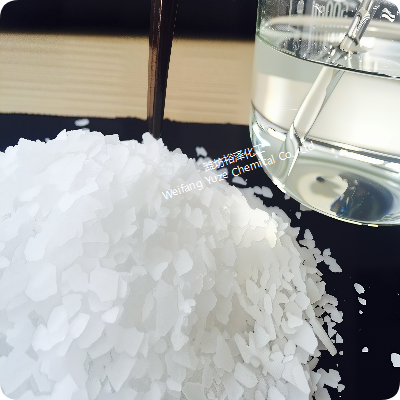
Yuze | White Magnesium Chloride Hexahydrate Flakes Manufacturer
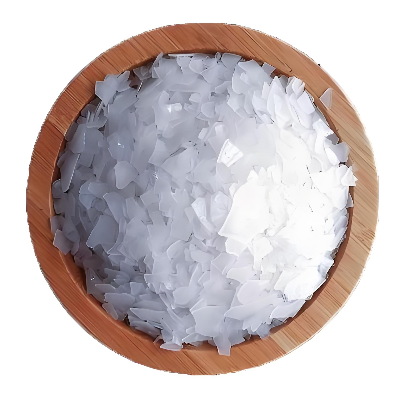
46% Magnesium Chloride Hexahydrate Flakes Feed-Grade for Livestock & Aquaculture
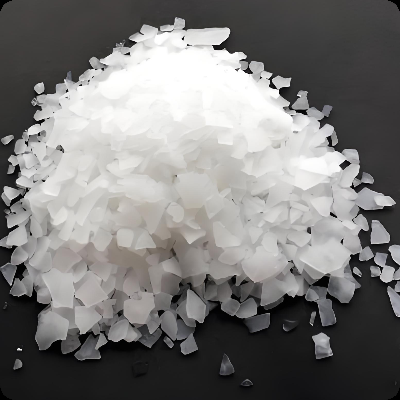
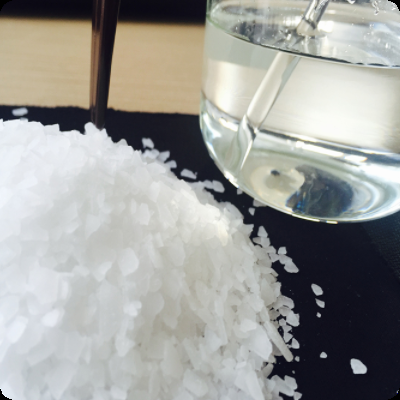
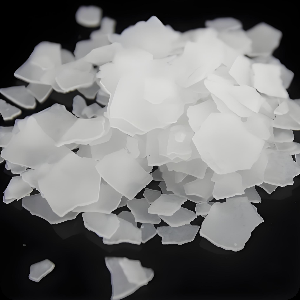
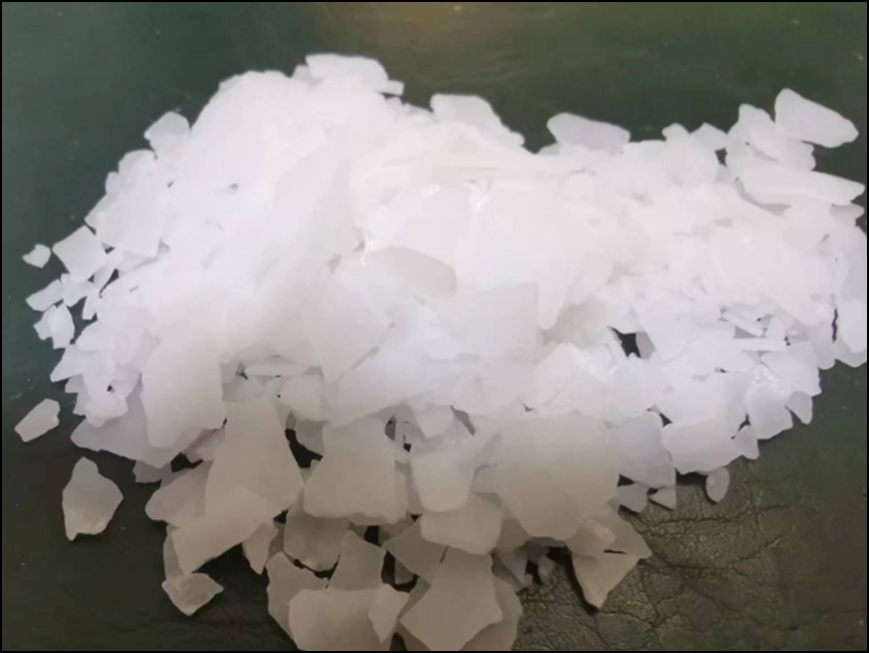
Magnesium Chloride Hexahydrate White Flakes 46% Manufacturer